
Understanding SVG Files: A Beginner's Guide
Welcome to the world of SVG files! If you're new to this, you might be wondering, what exactly are SVG files? SVG stands for Scalable Vector Graphics. Unlike other graphic formats, SVGs are not pixel-based but are made up of vectors. This means they can be scaled up or down without losing quality, making them incredibly versatile for web design.
Imagine a rubber band. You can stretch it, twist it, and it still retains its shape. That's the beauty of SVGs. They are flexible and responsive, making them perfect for creating visually stunning websites that look great on any device.

Another unique feature of SVGs is that they are written in XML, a markup language. This means you can open, edit, and save SVG files using a text editor. You can also manipulate them using CSS and JavaScript, opening up endless possibilities for interactivity and animation.
Understanding SVG files is like learning a new language. It might seem daunting at first, but once you get the hang of it, you'll be amazed at what you can create. So, how do you start working with SVGs? It's simple. You just need to know how to open, edit, and save SVG files, which we'll be covering in the next sections of this walkthrough.
Before we dive in, remember that practice makes perfect. Don't be afraid to experiment with SVGs. Explore our free SVG files library and try editing them. You'll be a pro in no time!

Opening SVG Files: Step-by-Step Tutorial
Now that we've explored the basics of SVG files, let's delve into the practical side of things. In this section, we'll walk you through a step-by-step tutorial on how to open SVG files. Whether you're a seasoned developer or a beginner just starting out, this guide will make the process simple and straightforward.
Step 1: Choose Your SVG File
First things first, you need an SVG file to work with. You can either create your own or download one from our vast free SVG files library. For beginners, we recommend starting with a pre-made file to get a feel for the SVG structure.
Step 2: Select Your Text Editor
SVG files are written in XML, so you can open them with any text editor. Some popular options include Notepad++, Sublime Text, and Atom. If you're already using a text editor for your coding needs, feel free to stick with it.
Step 3: Open the SVG File
Once you've chosen your SVG file and text editor, it's time to open the file. Simply right-click on the file, select 'Open with', and choose your text editor. Voila! You're now looking at the code behind the SVG.
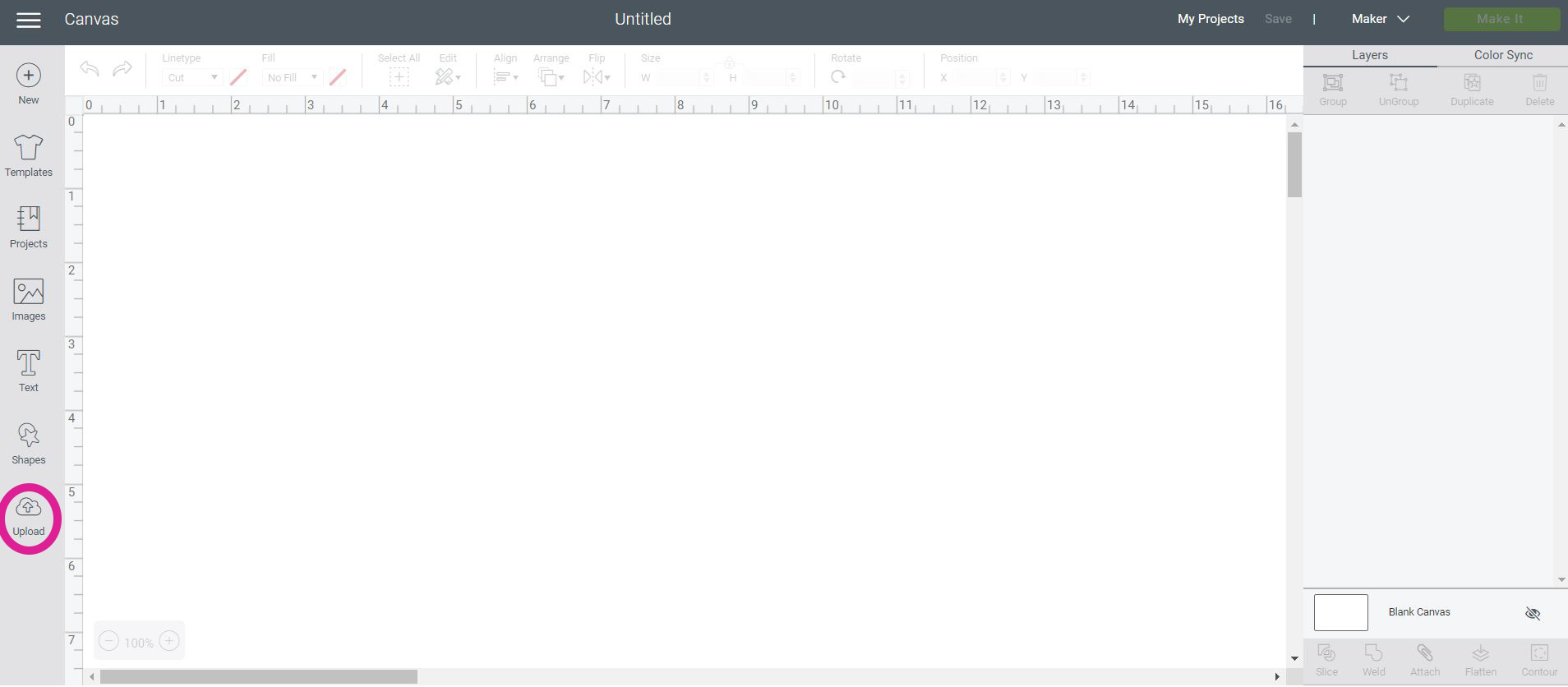
Remember, opening SVG files is just the first step. The real magic happens when you start editing and utilizing SVG files to create interactive and responsive web designs. But don't worry, we'll cover that in the next sections of this SVG file walkthrough. So, stay tuned!
Before we move on, here's a pro tip: Always keep a backup of your original SVG file before you start editing. This way, you can always revert back to the original version if something goes wrong. Happy SVG-ing!
Saving SVG Files: Best Practices
When it comes to saving SVG files, there are a few best practices that can make your work more efficient and effective. Understanding these practices can help you better utilize SVG files in your projects.
Firstly, always remember to save your work regularly. This might seem obvious, but it's easy to get caught up in the creative process and forget. Regular saving prevents loss of data in case of unexpected issues like power outages or application crashes. 
Secondly, consider the naming conventions for your SVG files. It's a good idea to use descriptive names that reflect the content or purpose of the file. This makes it easier to locate and identify files later. For example, if you're creating a logo for a bakery, you might name the file 'bakery-logo.svg' instead of something generic like 'image1.svg'.
Next, when saving SVG files, ensure you choose the SVG format in the 'Save as type' dropdown menu. This maintains the vector quality of the image, allowing it to be scaled without losing clarity. 
Lastly, it's beneficial to organize your SVG files in a logical manner. Create folders for different projects or types of images. This not only keeps your workspace tidy but also makes it easier to find files when you need them. For instance, you could have separate folders for icons, logos, and illustrations.
Remember, the key to successfully utilizing SVG files lies in understanding how to handle them effectively. By following these best practices, you can ensure your SVG files are always ready for use, whether you're designing a website or creating a digital masterpiece.
Exploring the Free SVG Files Library
Welcome to the treasure trove of the Free SVG Files Library. This section is your gateway to an extensive collection of SVG files, ready to be used and transformed into stunning visuals. Whether you're a newbie or a seasoned pro, this library is a goldmine of resources that can elevate your web design game.
Our Free SVG Files Library is a curated collection of versatile and high-quality SVG files. It's like a digital playground where you can explore, experiment, and find the perfect SVG for your project. 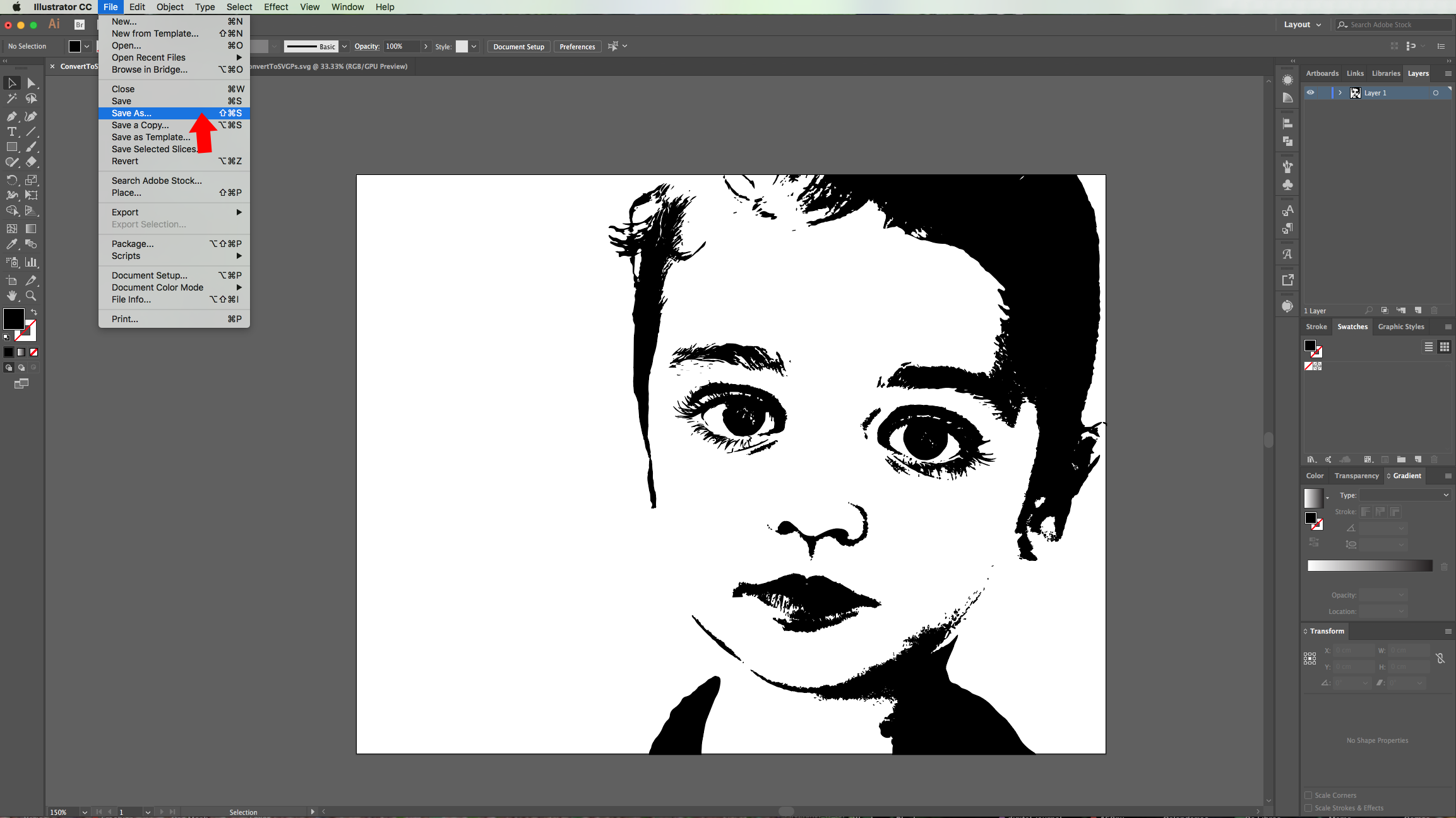
One of the best things about our library is its user-friendly interface. You can easily browse through categories or use the search bar to find specific SVG files. Each file comes with a preview and a detailed description, so you know exactly what you're getting before you download it.
But the fun doesn't stop at browsing and downloading. Our library also encourages you to learn and grow. Each SVG file is a learning opportunity. By examining these files, you can gain insights into how they are structured and how different elements interact. This is a practical way to deepen your understanding of SVG files.
And remember, all these resources are absolutely free! So, don't hesitate to dive in and start exploring. Whether you're looking for a specific SVG for your project, or you just want to learn more about SVG files, our library is here to help. 
So, what are you waiting for? Start utilizing SVG files from our library and bring your creative visions to life!
Converting SVG Files: A Comprehensive Guide
Now that you've explored the Free SVG Files Library and learned how to open, edit, and save SVG files, let's delve into the world of converting SVG files. This process is crucial when you need to use your SVGs in different applications that may not support this format.
Converting SVG files is a straightforward process, thanks to the plethora of SVG file converters available online. These tools allow you to transform your SVG files into other formats like PNG, JPEG, or PDF, while preserving the quality and details of your original design. This is especially handy when you need to use your SVG designs for print or in applications that don't support SVG files.
Here's a simple walkthrough on how to convert SVG files:
Step 1: Choose an SVG file converter. There are many free options available, like Convertio, Online-Convert, or Zamzar. Make sure to select a converter that supports the output format you need.
Step 2: Upload your SVG file. Most converters allow you to drag and drop the file into the conversion window, or you can click the upload button.
Step 3: Select the output format. This will be the format your SVG file will be converted to.
Step 4: Click convert. The converter will transform your SVG file into the chosen format. Once the conversion is complete, you can download your new file.
Remember, while converting SVG files is a handy skill, it's always best to use SVGs in their native format whenever possible to maintain their scalability and responsiveness. However, when that's not an option, these converters are your best friends. So, go ahead and start converting!
Burton Avenue Free SVG Library: Your Ultimate Resource
As we journey further into the world of SVG files, let's take a moment to appreciate a treasure trove of resources - the Burton Avenue Free SVG Library. This library is a goldmine for anyone looking to understand and utilize SVG files more effectively. It's not just a collection of free SVG files; it's an ultimate resource that can significantly enhance your SVG file experience.
What sets the Burton Avenue Free SVG Library apart is its vast and diverse collection of SVG files. Whether you're a designer seeking intricate patterns for your next project, a developer looking for interactive SVGs to enhance your website, or a hobbyist in search of fun and creative designs, this library has got you covered. 
But the Burton Avenue Free SVG Library is more than just a repository. It's also an educational platform. Here, you can find comprehensive guides on how to open, edit, and save SVG files. These guides are easy to follow and are designed to help you get the most out of your SVG files. 
Moreover, the library also features a selection of top-notch SVG file converters. These tools make it easy to transform your SVG files into other formats, ensuring that your designs remain versatile and usable across different platforms and applications.
In essence, the Burton Avenue Free SVG Library is a one-stop-shop for all your SVG needs. It's a place where you can find, learn, and create with SVG files. So, why wait? Dive into the Burton Avenue Free SVG Library and start exploring the endless possibilities of SVG files today!
Understanding the Basics: What is an SVG File?
Welcome to the exciting world of SVG files! You're probably wondering, what exactly is an SVG file? SVG, or Scalable Vector Graphics, is an XML-based vector image format that's perfect for 2D graphics. It's a game-changer in the digital world, offering infinite scalability without loss of quality, making it ideal for responsive web design.
Understanding SVG files is the first step in mastering how to open, edit, and save them. Unlike raster images that become pixelated when enlarged, SVG files maintain their quality no matter how much you zoom in or out. This is because they are made up of points, lines, and shapes rather than pixels.
Imagine having the power to create graphics that look sharp and crisp on any screen size or resolution. That's the magic of SVG files! And the best part? They're typically smaller in file size compared to their raster counterparts, making them a fantastic choice for optimizing website performance.
But that's not all. SVG files are also editable. You can easily change colors, shapes, and sizes using text editors or graphic design software. This makes them incredibly versatile and adaptable for various applications.
Ready to dive deeper? In this comprehensive SVG file walkthrough, we'll guide you through the process of opening, editing, and saving SVG files. We'll also introduce you to SVG file converters and explore the vast Burton Avenue free SVG library. And, of course, we'll show you how to utilize SVG files to their full potential, using our own extensive free SVG files library here at NiceSVG.
So, are you ready to unlock the full potential of SVG files? Let's get started!
Opening SVG Files: A Comprehensive Tutorial
Now that you have a basic understanding of SVG files, let's delve into the practical side of things. How do you open SVG files? This comprehensive tutorial will guide you through the process.
Opening an SVG file is a straightforward process, but it does depend on the software you have at your disposal. Most web browsers, including Google Chrome, Firefox, and Safari, can open SVG files directly. Simply right-click on the file and select 'Open With', then choose your preferred browser. Voila! Your SVG file is now displayed in all its scalable glory. But what if you want to edit the file? That's where specialized software comes in.
Graphic design software like Adobe Illustrator or Inkscape are perfect for opening and editing SVG files. These programs allow you to interact with the SVG's vector points, lines, and shapes, enabling you to customize the file to your heart's content. Remember, SVG files are incredibly versatile; you can change colors, shapes, and sizes with ease.
Don't have access to Adobe Illustrator or Inkscape? Don't worry! Text editors like Sublime Text or Atom can also open SVG files. While you won't have the same visual interface, you can still edit the SVG's XML code directly. This might seem intimidating if you're new to coding, but it's a powerful way to understand SVG files at their most fundamental level.
Imagine being able to manipulate the DNA of your graphics, tweaking and tuning until they're just right. That's the power of SVG file editing. And once you've made your edits, how do you save your work? Stay tuned for our step-by-step guide on how to save SVG files correctly.
Remember, practice makes perfect. Feel free to explore our free SVG files library at NiceSVG and experiment with opening and editing different files. The more you work with SVG files, the more comfortable you'll become. So, are you ready to take the next step in your SVG journey?
Let's continue with our SVG file walkthrough. Up next, we'll dive into the exciting world of SVG file editing. Stay tuned!
Editing SVG Files: Your Ultimate Guide
Ready to dive deeper into the world of SVG files? Let's explore the exciting realm of SVG file editing. This is where the true power of SVG files comes into play. With the right tools and a bit of practice, you can transform any SVG file into a unique piece of art. So, how do you edit an SVG file? Let's find out.
As we've mentioned before, graphic design software like Adobe Illustrator and Inkscape are your best friends when it comes to SVG file editing. These programs allow you to interact with the SVG's vector points, lines, and shapes, enabling you to customize the file to your heart's content. You can change colors, shapes, and sizes with ease, making your SVG file truly your own.
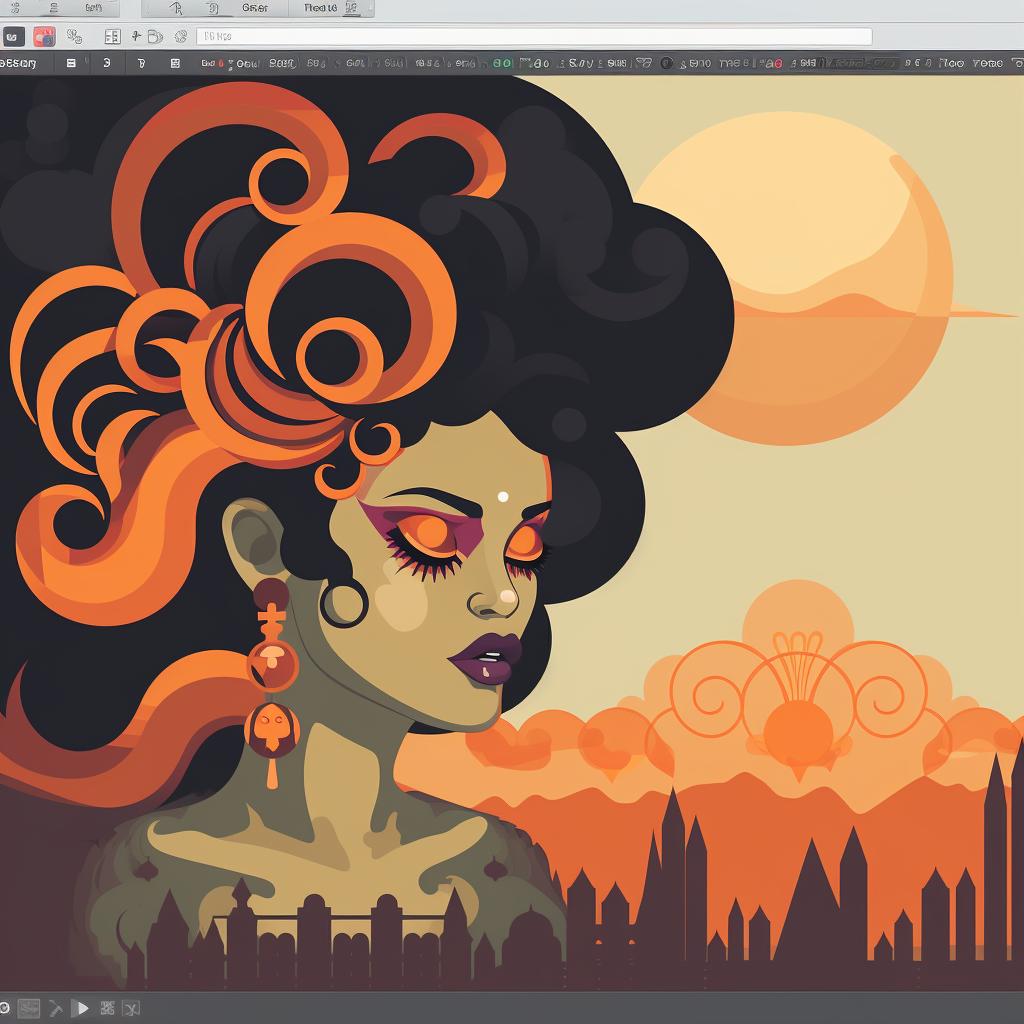
But what if you don't have access to these programs? Fear not! Text editors like Sublime Text or Atom can also be used to edit SVG files. While you won't have the same visual interface, you can still edit the SVG's XML code directly. This might seem intimidating if you're new to coding, but it's a powerful way to understand SVG files at their most fundamental level. It's like being able to manipulate the DNA of your graphics, tweaking and tuning until they're just right.
Remember, practice makes perfect. Don't be afraid to experiment and make mistakes. That's how you learn. Why not start by exploring our free SVG files library at NiceSVG? You'll find a vast selection of files to practice with. And who knows? You might even discover a hidden talent for graphic design!
So, are you ready to take the next step in your SVG journey? Let's continue with our SVG file walkthrough. Up next, we'll learn how to save SVG files correctly. Stay tuned!
Remember, understanding SVG files and mastering their editing process can open up a world of possibilities. So, why wait? Start your SVG adventure today!
Saving Your Work: How to Save SVG Files Correctly
After you've explored the exhilarating world of SVG file editing, it's time to seal your masterpiece. But how do you save SVG files correctly? Let's delve into this crucial step in your SVG journey.
When you've finished editing your SVG file, whether it's in a graphic design software like Adobe Illustrator or a text editor like Atom, saving your work is a straightforward process. But there are a few key points to remember to ensure your file retains its quality and functionality.
Firstly, always choose the 'Save As' option in your software. This allows you to select SVG as your file format, ensuring your work remains in its vector form. Remember, converting to other formats may cause loss of quality or functionality. So, always stick with SVG when saving your work.
Next, when saving your SVG file, you'll often be presented with several options. These can include SVG Profiles, Subsetting, and Options. While these settings can seem daunting, they're actually quite simple. SVG Profiles determine the version of SVG your file will be compatible with. Subsetting allows you to include only certain parts of the SVG's font in the file. And Options let you decide how the SVG code will be presented. For beginners, the default settings are usually sufficient. But as you become more comfortable with SVG files, you can experiment with these settings to optimize your files.
Finally, always remember to name your file appropriately and save it in a location where you can easily find it later. This might seem obvious, but a well-organized SVG library can save you a lot of time and frustration in the long run.




No comments yet. Be the first to share your thoughts!