

What NiceSVG Offers Designers
Open, Edit, and Save SVG Files with NiceSVG works best as a sequence, not a scramble through settings. Do the minimum first: confirm compatibility, connect the core hardware, update only when needed, and test the result before adding optional features. That order keeps the task understandable and makes failures easier to isolate. After each step, pause long enough for the interface to finish syncing. Many setup problems are timing problems disguised as configuration problems. If the same step fails twice, record the exact error, restart the smallest affected piece, and retry before moving deeper.
The simplest way to use this section is to keep the setup small, verify each change, and record the stable configuration before adding optional accessories.
Opening SVG Files in Design Software
Open, Edit, and Save SVG Files with NiceSVG works best as a sequence, not a scramble through settings. Do the minimum first: confirm compatibility, connect the core hardware, update only when needed, and test the result before adding optional features. That order keeps the task understandable and makes failures easier to isolate. After each step, pause long enough for the interface to finish syncing. Many setup problems are timing problems disguised as configuration problems. If the same step fails twice, record the exact error, restart the smallest affected piece, and retry before moving deeper.



Editing Vector Paths and Colors
Open, Edit, and Save SVG Files with NiceSVG works best as a clear sequence: define the constraint, compare the realistic options, test the tradeoff, and choose the path with the fewest hidden costs. That order keeps the advice usable instead of decorative. After each step, pause long enough to check whether the recommendation still fits the reader's actual situation. If it depends on perfect timing, unusual access, or a best-case budget, include a simpler fallback.
Saving and Exporting Correctly
Open, Edit, and Save SVG Files with NiceSVG works best as a clear sequence: define the constraint, compare the realistic options, test the tradeoff, and choose the path with the fewest hidden costs. That order keeps the advice usable instead of decorative. After each step, pause long enough to check whether the recommendation still fits the reader's actual situation. If it depends on perfect timing, unusual access, or a best-case budget, include a simpler fallback.
Common SVG Errors and Fixes
For most Open, Edit, and Save SVG Files with NiceSVG glitches, start with the least invasive restart and then retest the exact feature that failed. If the display froze, confirm touch response, climate controls, navigation, audio, and phone pairing after the reboot. If the issue was connectivity, test Wi-Fi, cellular signal, Bluetooth, and the companion app separately so one weak connection does not look like a full system failure. If the problem returns immediately, look for a pattern instead of repeating the same reset. Recent updates, low signal, a newly paired phone, a USB accessory, or a profile sync issue can all make the failure look random. Remove one variable at a time, then give the system a few minutes to reload before judging the result. Escalate when the screen stays black, the same warning returns, basic controls are unavailable, or the reboot only works for a few minutes. At that point the most useful thing you can provide is a short log: time, software version, exact symptom, what reset you tried, and whether the car or device was parked and awake.
The simplest way to use this section is to keep the setup small, verify each change, and record the stable configuration before adding optional accessories.
Frequently asked: what to check next
Helpful gear
Use these product recommendations as a starting point, then choose the size, material, and price point that fit how you actually use the gear.
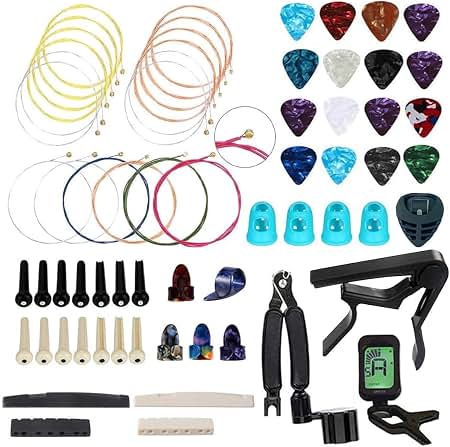
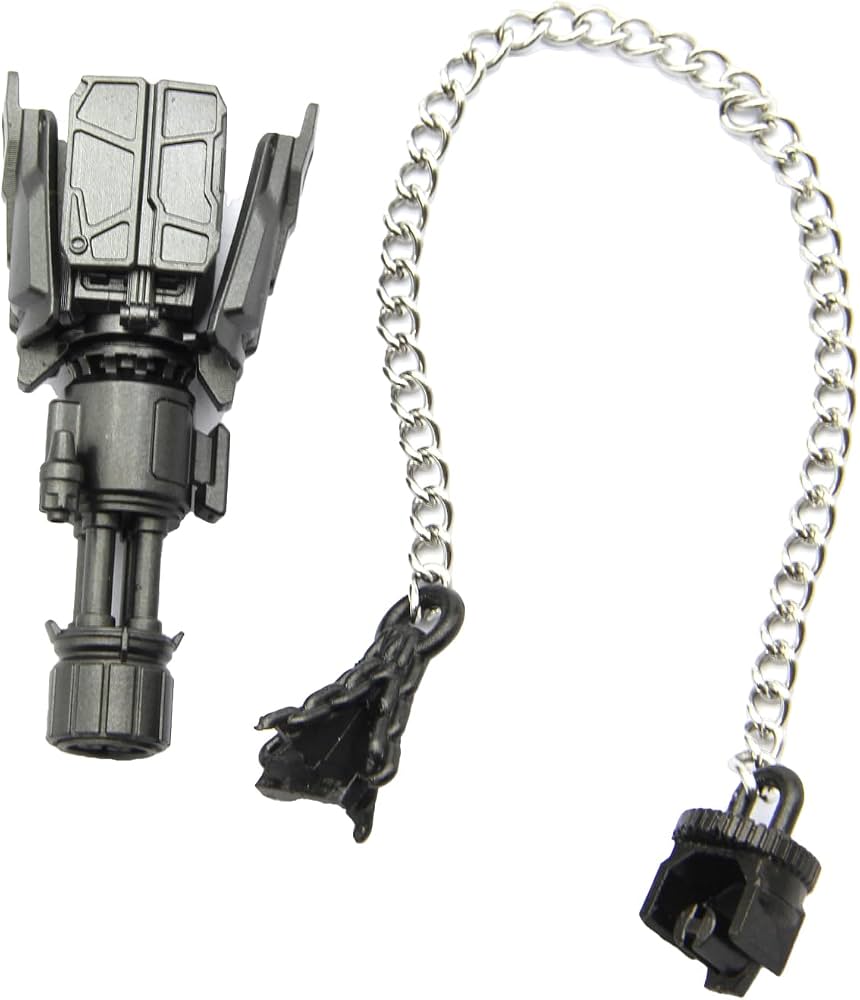

As an Amazon Associate, we may earn from qualifying purchases.
No comments yet. Be the first to share your thoughts!