
Why SVG Icons Are Essential for Modern Mobile Apps
Mobile app development in 2026 demands a focus on visual clarity and performance. Raster images, like PNGs and JPGs, simply don’t scale well on the increasingly high-resolution screens of modern smartphones and tablets. They become pixelated and blurry, creating a poor user experience. SVG icons, however, are vector-based, meaning they’re defined by mathematical equations rather than pixels, so they stay crisp at any size.
The benefits extend beyond visual quality. SVG files are generally much smaller in size than their raster counterparts, which translates to faster loading times and reduced bandwidth consumption. This is particularly important for mobile apps, where users often have limited data plans and slower network connections. A smaller app size also improves download rates and user retention.
Beyond size and scalability, SVGs offer exciting possibilities for animation and interactivity. You can easily animate SVG icons using CSS or JavaScript, adding subtle effects that enhance the user interface. They’re also more accessible. Text within an SVG is selectable and readable by screen readers, improving the experience for users with visual impairments. Prioritizing SVG icons is a practical decision for any app developer.
I believe that in 2026, users will have even higher expectations for app performance and visual fidelity. Using SVG icons is a foundational step towards meeting those expectations. It helps create apps that look sharp and remain accessible to everyone. Ignoring SVG at this point would be a considerable oversight.
SVG Repo: A Massive, Free Resource – But With Caveats
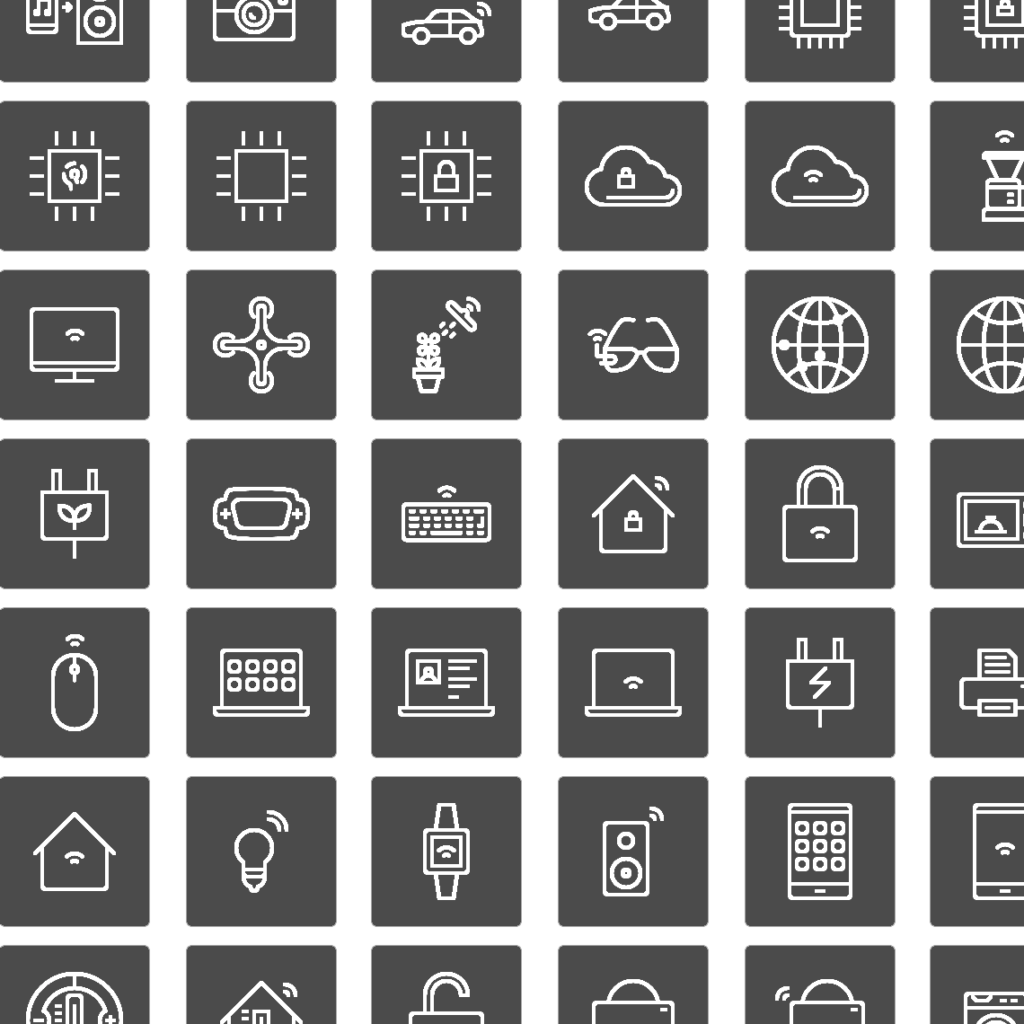
SVG Repo (svgrepo.com) is a large library with over 500,000 free SVG icons. It’s often the first place developers look when they need a quick icon solution. The sheer scale of the collection is impressive, covering a vast range of categories and styles. You can find almost anything you’re looking for with a bit of searching.
However, that size comes with a trade-off. The quality of icons on SVG Repo varies significantly. Many are well-designed and clean, but others are poorly structured, contain hidden layers, or include excessive metadata that bloats the file size. I recommend inspecting each icon before using it in your app. Don't just download and drop.
I recommend using a code editor or SVG optimization tool to clean up the SVG code after downloading. Removing unnecessary elements and attributes can dramatically reduce the file size and improve performance. Pay attention to things like embedded styles and inline JavaScript, which can add unnecessary weight. The commercial use license is generally permissive, but it’s always a good idea to double-check the specific terms for each icon.
Filtering by categories and keywords is key to finding useful icons quickly. But even then, be prepared to sift through a lot of results to find the gems. It takes time, but the free access is attractive if you’re willing to put in the effort.
- Check for hidden layers: Use a vector editor to reveal and remove any unnecessary elements.
- Simplify paths: Reduce the number of points in complex shapes to minimize file size.
- Remove metadata: Eliminate unnecessary information like creator details and comments.
- Optimize colors: Reduce the number of colors used in the icon.
- Validate the SVG code: Use an SVG validator to identify and fix any errors.
Top Free SVG Icon Libraries
- Iconify - A massive collection of open-source icons from many popular icon sets. Offers a single API for accessing icons from different sources, simplifying integration. Learn More
- Font Awesome - While offering paid plans, Font Awesome provides a substantial free tier with a wide range of commonly used icons. Ensure you check licensing for your specific use case. Learn More
- Heroicons - Created by the Tailwind CSS team, Heroicons offers a set of beautifully simple line icons, designed to integrate well with modern web and mobile interfaces. Learn More
- Material Design Icons - A comprehensive library of icons following the Material Design guidelines. Useful for apps aiming for a consistent Material Design aesthetic. Learn More
- The Noun Project - Offers a vast library of icons, with a significant number available under a free license (with attribution). Great for finding more specialized or conceptual icons. Learn More
- Streamline - While primarily a paid resource, Streamline offers a selection of free icons. Their style is distinctive and well-suited for certain design aesthetics. Learn More
- Remix Icon - A set of open-source neutral-style system symbols elaborately crafted for designers and developers. Learn More
Iconbuddy: Open Source Focus and Plugin Ecosystem
Iconbuddy (iconbuddy.com) is different because it focuses on open-source icons and has a large plugin ecosystem. While the total number of icons may be smaller, the quality and consistency are generally higher. They curate collections from various open-source projects, making it a reliable source for well-maintained SVGs.
The real power of Iconbuddy lies in its plugins for popular design and development tools. They offer integrations for Figma, VS Code, Framer, and WordPress, streamlining the workflow for designers and developers. These plugins allow you to directly import icons into your projects without having to manually download and manage files. This is a huge time-saver.
I find the VS Code extension particularly useful. It allows you to search for and insert icons directly into your code editor, making it easy to incorporate them into your web or mobile app projects. Iconbuddy also offers access to a wide range of icon sets, including Fluent UI, Material Symbols, Phosphor, and more. This gives you a lot of flexibility in terms of style and design.
The focus on open source is a major advantage. You have the freedom to modify and redistribute the icons as needed, without worrying about restrictive licensing terms. It’s a great option for projects that require a high degree of customization or collaboration.
- Figma plugin: Import icons directly into your Figma designs.
- VS Code extension: Insert icons into your code with ease.
- Framer plugin: Use icons in your Framer prototypes.
- WordPress Plugin: Easily add icons to your WordPress site.
Icons8: A Blend of Free and Premium, with a Focus on Style
Icons8 (icons8.com) has a collection of SVG icons that includes both free and premium options. They’re particularly known for their consistent style and high-quality illustrations. The free tier provides a decent selection, but it’s important to be aware of the limitations.
The free icons often have restrictions on usage, such as requiring attribution. The premium subscription unlocks access to the entire library and removes these restrictions. Icons8’s icons integrate well with other design tools like Adobe Photoshop and Sketch. You can also use their online editor to customize the colors and sizes of the icons.
While the overall quality is good, I’ve noticed some inconsistency in the free tier. Some icons are well-optimized, while others are more complex and bloated. It’s essential to review each icon carefully before using it in your project. If you require a large number of high-quality icons and are willing to pay for a subscription, Icons8 is a viable option.
They also offer an AI icon generator, which is interesting, but the results are still somewhat hit-or-miss. It’s a promising technology, but it’s not yet a reliable replacement for hand-crafted icons.
Comparing License Terms: What Can You Actually Do?
You need to understand the license terms to avoid legal issues. SVG Repo generally allows for commercial use with attribution, but it’s essential to check the specific license for each icon, as terms can vary. Some icons may require a link back to the source, while others may have more restrictive limitations.
Iconbuddy, with its focus on open-source icons, typically offers more permissive licenses. Most icons are licensed under the MIT license, which allows you to use, modify, and distribute the icons freely, even for commercial purposes, without attribution. However, it’s still a good practice to respect the original author’s work and provide credit where appropriate.
Icons8’s free icons require attribution, and the premium subscription comes with a more comprehensive license that allows for commercial use without attribution. Review the Icons8 license agreement carefully. If you ignore these terms, you might face legal trouble.
I always recommend keeping a record of the licenses for all the icons you use in your projects. This will make it easier to comply with the terms and avoid any potential issues down the road. A simple spreadsheet can be very helpful for tracking this information.
License Comparison: Free SVG Icon Libraries
| Library | Commercial Use | Attribution Required | Modification Allowed | Redistribution Allowed |
|---|---|---|---|---|
| SVG Repo | Yes | No | Yes | Yes |
| Iconbuddy | Yes | Varies by icon set | Yes | Yes |
| Icons8 | Limited | Yes, for free use | Limited | Limited |
Illustrative comparison based on the article research brief. Verify current pricing, limits, and product details in the official docs before relying on it.
Optimizing SVG Icons for Mobile Performance
Even though SVGs are generally smaller than raster images, poorly optimized files can still negatively impact mobile app performance. Removing unnecessary metadata, such as creator information, comments, and hidden layers, is a crucial first step. Tools like SVGO (SVG Optimizer) can automate this process and significantly reduce file size.
Simplifying paths is another effective optimization technique. Complex shapes with a large number of points can be computationally expensive to render. Reducing the number of points while maintaining the visual quality of the icon can improve performance. Most vector editors offer tools for simplifying paths.
Using SVG sprites is a powerful way to reduce HTTP requests. Instead of downloading each icon as a separate file, you can combine multiple icons into a single SVG file and use CSS to display only the desired icon. This reduces the number of requests the app needs to make, resulting in faster loading times.
I've found that consistently optimizing SVGs as part of the development workflow makes a noticeable difference in app responsiveness. It’s a relatively small effort that can yield significant performance gains. Don't overlook this step!
SVGO Configuration for Mobile App Icons
When working with SVG icons from free libraries in mobile app development, optimizing file size is crucial for app performance. SVGO (SVG Optimizer) is a Node.js tool that can significantly reduce SVG file sizes while maintaining visual quality. Here's a recommended configuration file that balances optimization with mobile app requirements:
# .svgo.yml - SVGO Configuration for Mobile App SVG Icons

# Enable multipass optimization for better compression
multipass: true

# Precision for numeric values (lower = smaller files)
floatPrecision: 2

# Plugin configuration
plugins:
  # Remove unnecessary metadata
  - removeDoctype: true
  - removeXMLProcInst: true
  - removeComments: true
  - removeMetadata: true
  - removeEditorsNSData: true

  # Optimize structure
  - removeEmptyAttrs: true
  - removeEmptyText: true
  - removeEmptyContainers: true
  - removeUnknownsAndDefaults: true

  # Merge and clean paths
  - mergePaths: true
  - convertPathData: true
  - removeUselessStrokeAndFill: true

  # Optimize for mobile displays
  - convertStyleToAttrs: true
  - removeStyleElement: true

  # Preserve viewBox for responsive scaling
  - removeViewBox: false

  # Keep IDs if needed for animations
  - cleanupIDs:
      remove: true
      minify: true
      preserve: []

  # Optimize transforms
  - convertTransform: true
  - removeUselessDefs: true
This configuration prioritizes file size reduction while preserving essential attributes like viewBox for responsive scaling. The multipass option ensures thorough optimization, while the floatPrecision setting of 2 provides a good balance between file size and visual accuracy on mobile screens. Save this as .svgo.yml in your project root and run SVGO on your downloaded icon files to optimize them for mobile app deployment.
Future Trends: What’s Next for SVG Icons in Mobile?
The world of SVG icons is constantly evolving. Animated SVGs are becoming increasingly popular, adding subtle but impactful animations to user interfaces. Libraries like Lottie allow you to create and integrate complex animations with ease. I expect to see more apps incorporating animated SVGs to enhance the user experience.
Interactive icons, which respond to user input, are another emerging trend. These icons can change color, shape, or behavior when clicked or hovered over. This adds a layer of engagement and interactivity to the app. The use of SVG in augmented reality (AR) and virtual reality (VR) applications is also gaining traction.
New web standards and technologies, such as the CSS `clip-path` property and the `
Staying informed about these trends is essential for any mobile app developer who wants to stay ahead of the curve. The future of SVG icons is bright, and I’m excited to see what new innovations emerge in the coming years. It's a versatile format that will continue to play a vital role in mobile app development.
Free SVG Icons is live on ProductHunt.
— Mohd Danish (@mddanishyusuf) May 12, 2025
→ https://t.co/qKASljo8Z5
This launch video is made by @mdanassaif
We need your support to get featured. 🙏 pic.twitter.com/BGtAoUq5gy

No comments yet. Be the first to share your thoughts!