
The technical case for SVGs in web3
Web3 and blockchain projects operate under constraints that traditional web development often doesn’t face. Scalability is paramount – applications need to handle fluctuating transaction volumes and a growing user base. Responsiveness is also key, as users will access these projects on everything from desktop computers to mobile phones. Then there's visual consistency; your branding needs to look sharp across a multitude of platforms and wallets. These demands require a flexible and efficient approach to graphics.
Raster images like JPGs and PNGs are heavy and pixelate when you scale them. In web3, where every byte of on-chain metadata costs money, this is a liability. SVGs are math-based vectors. They stay sharp at any size and keep file sizes small enough for efficient storage.
SVGs aren’t just a "nice to have" for Web3 projects; they can be a genuine advantage. Their smaller file sizes improve performance, their scalability ensures a consistent user experience, and their editability allows for quick adjustments to branding. Think about the metadata for an NFT collection – using SVGs for the core visual elements keeps the data lean and efficient. Ultimately, choosing SVGs demonstrates a thoughtful approach to design within the unique constraints of the decentralized web.
We’ve seen a growing trend of projects opting for SVG-based logos and icons, and I expect this will continue as the Web3 space matures. It’s not just about aesthetics; it’s about building a sustainable and performant user experience.
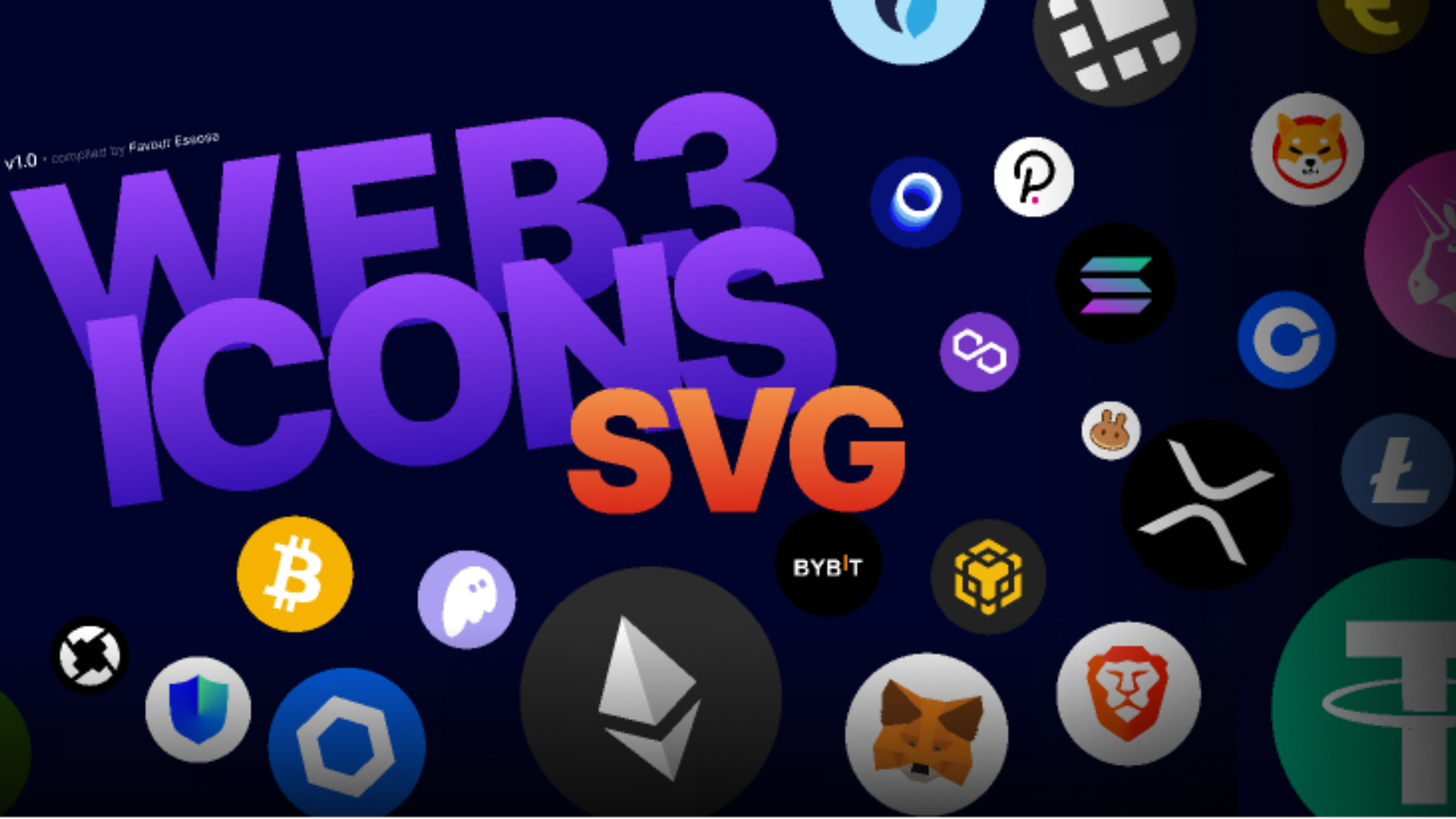
Essential Tools for Web3 & Blockchain SVG Integration
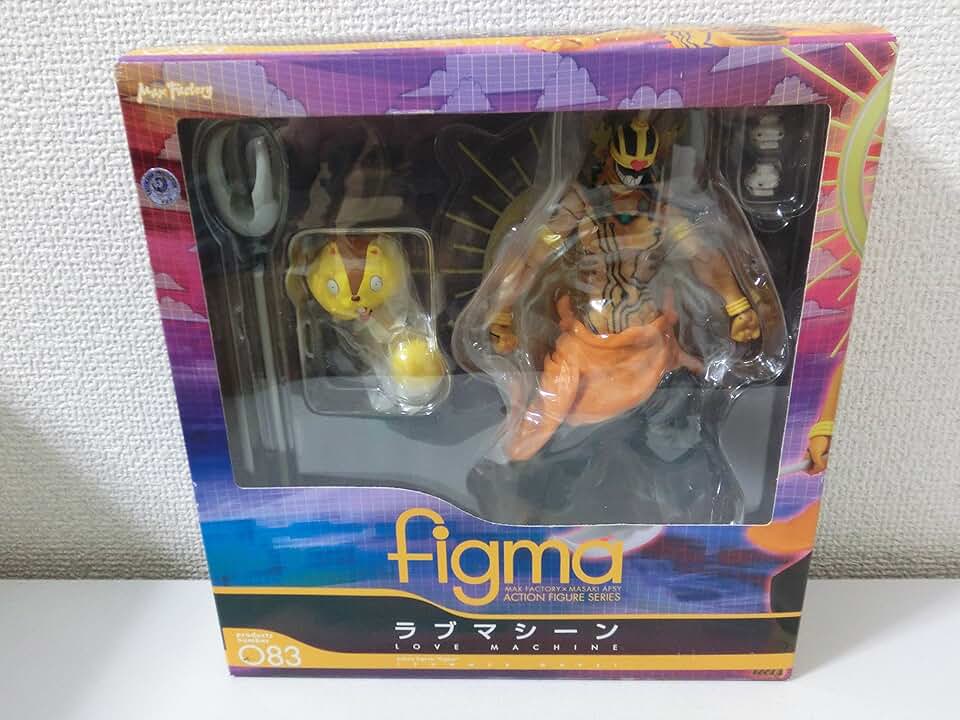
High-quality PVC figure · Detailed sculpting · Collectible item
While not a direct tool, this product is listed for its potential to inspire creative design elements for Web3 and blockchain projects through its unique aesthetic.

Beginner-friendly guide · Covers setup, editing, and exporting · Practical exercises
This guide empowers users to effectively utilize and customize free SVG icon libraries for their Web3 and blockchain projects by mastering Adobe Illustrator.

Beginner's guide to Inkscape · Covers layout designs, logos, and icons · Includes book and ebook formats
This book empowers users to effectively utilize and customize free SVG icon libraries for their Web3 and blockchain projects by teaching them the Inkscape vector graphics editor.

Workbook format for hands-on learning · Covers Affinity Designer features · Practical projects and tutorials
This workbook empowers users to effectively utilize and customize free SVG icon libraries for their Web3 and blockchain projects by providing practical training in Affinity Designer.
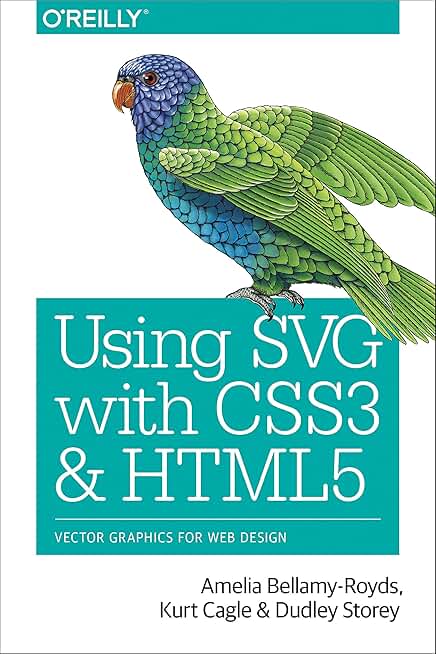
Focuses on SVG integration with CSS3 and HTML5 · Explains vector graphics for web design · Covers practical implementation
This book empowers users to effectively utilize and customize free SVG icon libraries for their Web3 and blockchain projects by detailing how to use SVG with modern web technologies.
As an Amazon Associate I earn from qualifying purchases. Prices may vary.
Eight free icon libraries for 2026
Finding the right free SVG icon library for your Web3 project can save you time and money. But with so many options available, it’s important to understand the strengths and weaknesses of each. I’ve compiled a rundown of eight libraries that stand out in 2026, focusing on those most relevant to the blockchain and cryptocurrency space. I’ll assess each based on collection size, icon quality, licensing, search functionality, and any Web3-specific offerings.
SVG Repo is a behemoth, boasting an enormous collection. The Noun Project excels in quality and offers useful editing tools. Flaticon differentiates itself with animated icons and a connection to a broader design ecosystem. Beyond these, we'll also look at Bootstrap Icons, Iconify, Heroicons, and a couple of hidden gems. Each library has its quirks, so it’s important to find one that aligns with your specific needs and design style.
Free doesn't mean unrestricted. Most of these libraries require attribution or limit commercial use. I've summarized the licenses here, but you should check the specific terms before you ship your code.
SVG Repo: high volume and quick edits
SVG Repo has over 500,000 icons. The search filters for color and style are better than most, and I found specific sets for blockchain tech that other libraries lacked.
What sets SVG Repo apart is its built-in editor. You can quickly customize icons directly on the site – change colors, resize elements, and even remove unwanted components. This is a huge time-saver if you need a slightly modified version of an existing icon. The licensing is generally very permissive, allowing for commercial use with attribution, but always verify the license for each individual icon.
I was able to find a great set of icons representing various blockchain networks (Bitcoin, Ethereum, Solana) and even some more niche concepts like decentralized finance (DeFi) and non-fungible tokens (NFTs). For a project needing a wide range of icons quickly, SVG Repo is an excellent starting point.
- 500,000+ icons
- Licensing: Generally permissive with attribution
- Search: Robust filtering options
- Customization: Built-in editor for quick modifications
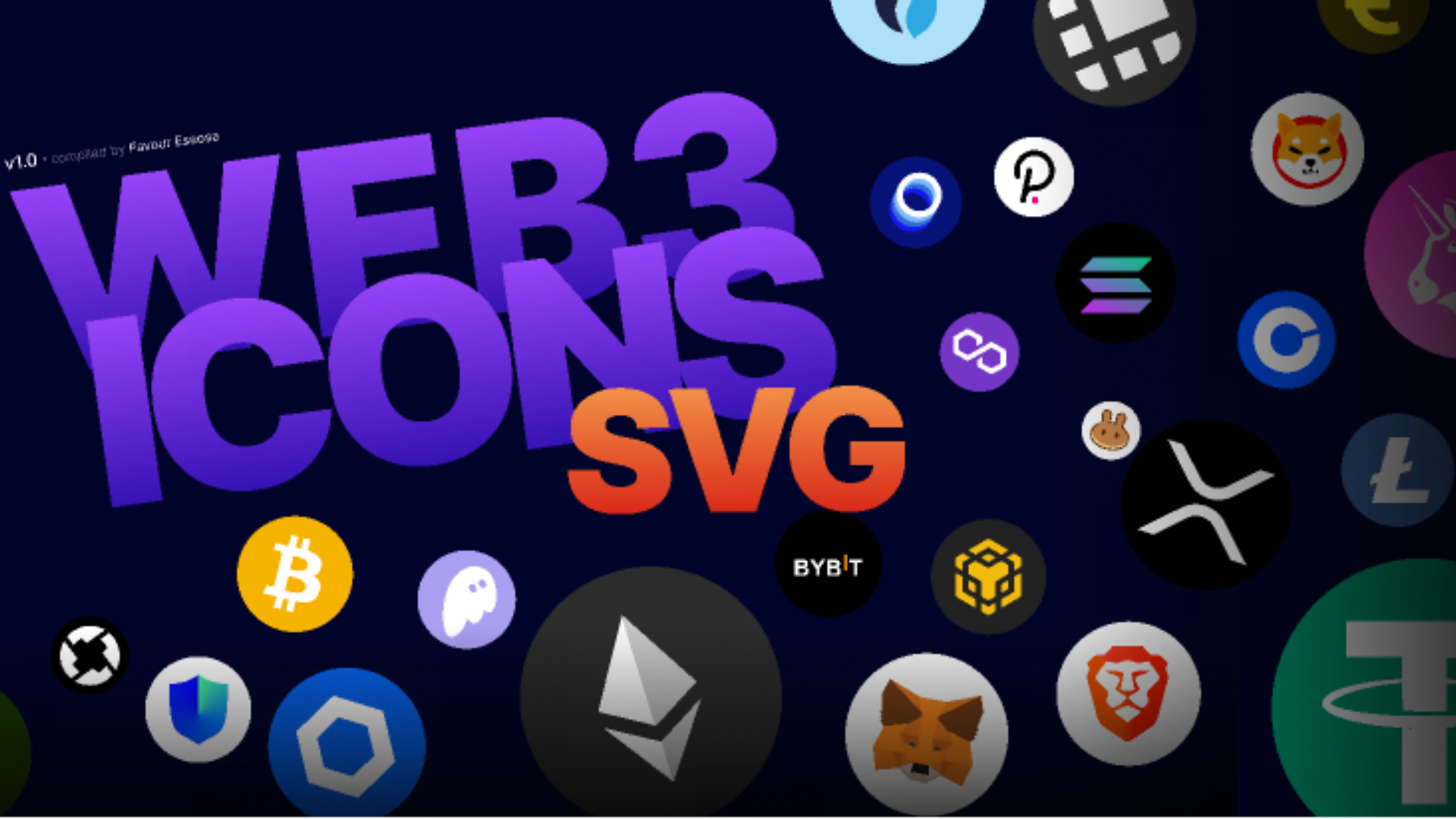
Web3/Blockchain SVG Icons
- Crypto Wallet - Represents digital asset storage and transactions.
- Blockchain - Symbolizes the distributed ledger technology at the core of Web3.
- NFT - Illustrates non-fungible tokens, unique digital assets.
- Secure Lock - Conveys security and protection of digital assets.
- Decentralized Network - Represents the peer-to-peer nature of Web3.
- Token - A general representation of cryptocurrency or utility tokens.
- Transaction - Illustrates the exchange of digital assets.
The Noun Project: Beyond Simple Icons
The Noun Project differs from SVG Repo in its focus on quality and community. While the collection size is smaller (around 10 million icons in 2026), the icons themselves are generally more polished and consistent in style. The platform benefits from a large community of designers who contribute new icons regularly.
One of The Noun Project’s biggest strengths is its editing tools. You can recolor, resize, and even add effects to icons directly on the site. They also offer plugins for Figma and PowerPoint, making it incredibly easy to integrate icons into your design workflow. These plugins are particularly valuable for designers already using those tools.
The free tier requires attribution, which may not be ideal for all projects. Paid subscriptions remove the attribution requirement and unlock additional features. For many Web3 projects, the free tier is sufficient, but if you need to maintain a completely unbranded aesthetic, the paid subscription might be worthwhile. It’s a trade-off between cost and control.
Flaticon: Stickers and Animations
Flaticon stands out with its unique offering of animated icons and stickers. While many libraries focus solely on static SVG icons, Flaticon provides a range of animated options that can add a dynamic touch to your Web3 interface. They have over 18 million icons and stickers as of 2026.
Licensing is similar to The Noun Project, requiring attribution for free use. Flaticon is part of the Freepik family, giving users access to a wider range of design resources, including vectors, photos, and PSD files. The availability of multiple file formats (SVG, PNG, EPS, PSD) is a definite plus.
The practicality of animated icons in Web3 interfaces is debatable. While they can enhance the user experience, they also add complexity and potentially increase file size. Consider your target audience and the overall design aesthetic before incorporating animated icons into your project.
- Includes animated icons and stickers
- Collection Size: 18M+ icons & stickers
- File Formats: SVG, PNG, EPS, PSD
- Connection: Part of the Freepik ecosystem
Niche libraries and hidden gems
While SVG Repo, The Noun Project, and Flaticon are excellent starting points, there are other SVG icon libraries worth exploring. Iconify is a popular option, offering a vast collection of icons from various open-source libraries. Heroicons provides a set of beautifully crafted, minimalist icons designed for Tailwind CSS projects. Bootstrap Icons is a solid choice if you're already using the Bootstrap framework.
These lesser-known libraries often offer unique styles or niche icon sets that aren’t available elsewhere. For example, Iconify allows you to easily access icons from popular sets like Font Awesome and Material Design. Heroicons provides a consistent, modern aesthetic that can complement a clean and minimalist design. The key is to explore and find resources that align with your project’s specific requirements.
I recently discovered a small library called Simple Icons that offers a collection of logos for popular brands and technologies. This could be incredibly useful for a Web3 project that needs to display logos of supported cryptocurrencies or blockchain platforms.
Tools for editing and optimization
Often, you’ll need to customize SVG icons to perfectly match your project’s branding. Simple color changes and resizing are relatively straightforward, but more advanced editing may require dedicated tools. Most vector graphics editors can open and edit SVG files.
Inkscape is a free and open-source vector graphics editor that’s a great option for basic and intermediate editing tasks. Adobe Illustrator is the industry standard, offering a comprehensive set of features for professional designers. SVGOMG is a web-based tool specifically designed for optimizing SVG code – reducing file size without sacrificing quality.
Creating custom SVG icons from scratch gives you complete control over the design. However, it requires more time and skill. If you’re not comfortable with vector graphics editing, consider hiring a designer or using one of the libraries mentioned earlier as a starting point. Remember to optimize your SVG code for file size and performance; smaller files load faster and improve the user experience.
- Inkscape: Free and open-source vector editor
- Adobe Illustrator: Industry-standard vector editor
- SVGOMG: Web-based SVG optimizer

No comments yet. Be the first to share your thoughts!